
 Insights
 August 2026
Refurbish or Rebuild? The Real Trade-Offs of Revitalising an Old Space

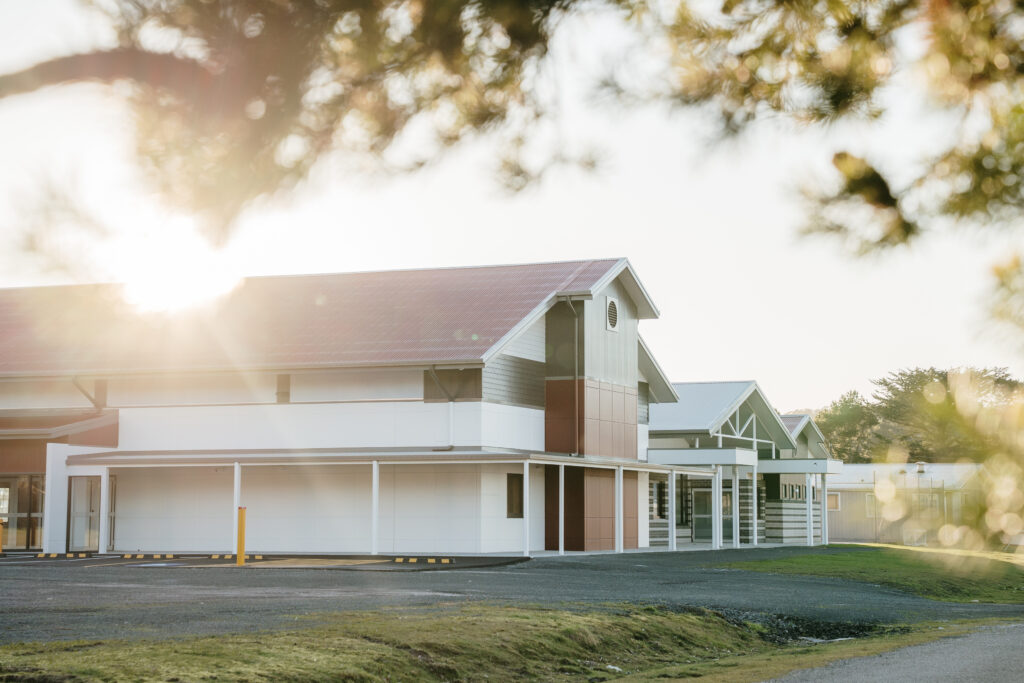
Every owner of an ageing building eventually faces the same decision: hold onto it and revitalise, or clear the site and start again. We get asked this often, and it’s tempting to treat it as a straight cost comparison. In our experience, it rarely is. Here’s how the two options actually stack up.
Refurbishment: Pros
- Preserves character that can’t be recreated: A community facility or long standing local building carries a relationship with the people who use it that a new structure , however efficient, can’t replicate.
- Can be less disruptive to a site’s surroundings: Particularly valuable on heritage sites or in tight urban and town locations where a full rebuild would mean a much bigger footprint of works.
- Can be faster to approvals: In some cases where an existing use and structure make for a more straightforward planning pathway than a full new build.
- Often a lower up-front cost: Where the existing structure is genuinely sound and simply needs updating rather than replacing.
Refurbishment: Cons
- Hidden unknowns: Structure, services, and materials in older buildings are rarely fully known until strip out begins. This is why genuine contingency, typically in the order of 10–20% above the base estimate, belongs in every refurbishment budget. It’s not a formality, it’s realistic.
- Less predictable programs: A refurbishment’s timeline depends on what’s found once work begins, which makes scheduling harder than working to a known, clear site.
- Design constraints: Every decision has to work around what’s already there, layout, structural grid, existing services, rather than starting from a blank page.
- Diminishing returns on very poor stock: If a building’s structure or services are far enough gone, the cost of bringing it up to standard can approach or exceed a new build, without the benefit of a clean, predictable outcome.
Rebuilding: Pros
- A clean, predictable program: Building on a clear site removes the guesswork of unknown existing conditions, generally making the schedule more reliable from day one.
- Full design freedom: A new build can be shaped entirely around its intended use, without negotiating around an existing structural grid or layout.
- Everything built to current standards from the outset: Services, accessibility, performance, with no compromise forced by what was already there.
- Tighter cost certainty: New builds typically carry a narrower contingency margin than refurbishments, because there’s simply less hidden risk to price in.
Rebuilding: Cons
- Loses character and history for good: Once an existing building is demolished, any heritage value, streetscape contribution, or community connection it held is gone. A factor that doesn’t show up on a budget line but matters enormously for some sites.
- Generally a higher up-front cost: Particularly where an existing structure still has genuine value to retain.
- Can face a harder approval pathway: On heritage listed or character protected sites, where councils may be reluctant to approve demolition at all.
- Demolition and site clearance add their own time and cost: Before construction of the new building can even begin.
The Takeaway
Refurbishing and rebuilding aren’t a cheap option and an expensive one. They are two different risk and value profiles, each with real pros and real cons. The right choice comes down to what a building is genuinely worth keeping, and how honestly that’s been assessed before ground is broken.
Planning on doing either? Get in touch with us and we’ll help you work out which path makes the most sense for your building.
📞 (03) 6310 8282
📧 sales@falconbuilding.com.au




looking for more?Contact Falcon
27 West Church Street,
Deloraine Tas 7304
Our capability statement Download PDF
27 West Church Street,
Deloraine Tas 7304